






Asia Cup 2025 Handshake Controversy: Gautam Gambhir’s Strategic Decision Sends Shockwaves Through International Cricket
Understanding the Handshake Row Between India and Pakistan
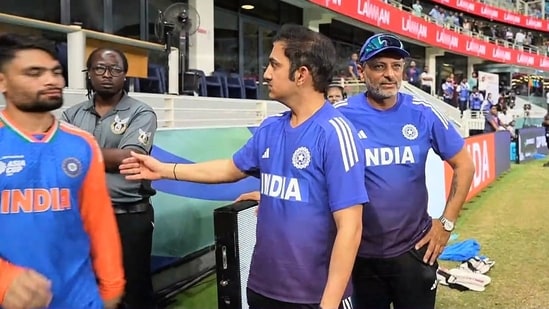
The Asia Cup 2025 witnessed unprecedented diplomatic tensions when Gautam Gambhir issued a surprising directive, asking Suryakumar Yadav and his teammates to greet only the match officials after the game following India’s victory over Pakistan. This strategic decision has created ripples throughout the international cricket community, fundamentally altering the traditional post-match protocols.
Gambhir addressed the handshake controversy during Asia Cup 2025, suggesting players shake hands with umpires to avoid unwanted noise. The decision represents a calculated approach to managing bilateral relations while maintaining competitive integrity on the field.
Gautam Gambhir’s Role in Orchestrating the No-Handshake Policy
Strategic Planning and Implementation
The handshake snub was not a spontaneous decision but rather a carefully orchestrated strategy. Gambhir and the seniors were clear from the start about not shaking hands with Pakistan, with final approval for the move reportedly coming from senior figures in the board itself. This coordination demonstrates the depth of planning involved in implementing this unprecedented protocol change.
Gambhir reportedly suggested the Indian players not engage with Pakistani players and also asked them not to have any verbal exchanges with the archrivals. The comprehensive nature of these instructions indicates a systematic approach to managing player interactions during high-stakes encounters.
Impact on Team Management Philosophy
The head coach’s approach extends beyond mere protocol adjustments, encompassing broader team management principles. The directive to minimize distractions and focus on performance objectives reflects contemporary sports psychology principles applied to international cricket’s most intense rivalry.
Reactions from Pakistan Cricket Board and Officials
Official Response and Diplomatic Implications
The Pakistani cricket establishment expressed significant concern regarding the protocol breach. Pakistan captain Agha did not speak at the post-match captain’s chat with the host broadcaster following the incident, highlighting the diplomatic ramifications of the handshake controversy.
The ICC match referee is believed to have said to Pakistan that he was merely the messenger of India’s decision not to shake hands, indicating the official channels through which these decisions were communicated.
Administrative Complications
The controversy extended beyond the immediate match, affecting subsequent fixtures. Pakistan agrees to have Andy Pycroft as match referee after he apologises for role in a handshake row against India, demonstrating how the incident influenced ongoing tournament administration.
Impact on Players and Team Dynamics
Captain Suryakumar Yadav’s Response
Despite the controversy surrounding the incident, skipper Suryakumar Yadav later downplayed the India vs Pakistan “rivalry”, attempting to redirect focus toward competitive cricket rather than diplomatic tensions.
The captain’s measured response reflects the challenge of balancing competitive intensity with diplomatic sensitivity in international cricket’s most watched bilateral encounters.
Player Adaptation to New Protocols
The implementation of modified post-match protocols required significant adaptation from players accustomed to traditional cricket diplomacy. The systematic nature of these changes suggests comprehensive preparation and briefing sessions conducted by the team management.
Historical Context and Precedent Setting
Breaking Traditional Cricket Diplomacy
The handshake controversy represents a departure from cricket’s traditional emphasis on gentlemanly conduct and post-match sportsmanship. This shift indicates evolving approaches to managing bilateral relations through sporting events.
The decision establishes new precedents for how international cricket teams might navigate politically sensitive encounters while maintaining competitive focus.
Long-term Implications for India-Pakistan Cricket Relations
The strategic decision to modify post-match protocols could influence future bilateral cricket encounters, potentially establishing new standards for player interactions during politically sensitive periods.
ICC Response and Regulatory Considerations
Match Official Protocols and Procedures
The involvement of match referees in communicating team decisions highlights the complex administrative challenges faced by international cricket’s governing body when managing politically sensitive encounters.
The need for official intervention demonstrates how sporting protocols intersect with diplomatic considerations in high-profile international matches.
Regulatory Framework Evolution
The controversy may prompt ICC officials to develop more comprehensive guidelines for managing post-match protocols during politically sensitive bilateral encounters, ensuring consistent application across all member nations.
Media Coverage and Public Reaction
Domestic Response in India
The handshake controversy generated significant media attention across Indian cricket circles, with various perspectives emerging regarding the appropriateness of the decision.
International Cricket Community Response
Former batsman Manoj Tiwary has slammed Gautam Gambhir over the recent handshake episode during the match between India and Pakistan, indicating divided opinions within the cricket community regarding the protocol changes.
Strategic Analysis of Decision-Making Process
Risk Management Considerations
The decision to avoid traditional post-match handshakes reflects comprehensive risk management strategies employed by modern international cricket teams when navigating politically sensitive environments.
Communication Strategy Implementation
The systematic approach to implementing protocol changes demonstrates sophisticated communication strategies designed to minimize potential controversies while maintaining competitive focus.
Future Implications for International Cricket
Evolving Diplomatic Protocols
The handshake controversy may influence how international cricket manages diplomatic sensitivities in future bilateral encounters, potentially establishing new standards for player interactions.
Impact on Tournament Administration
Tournament organizers may need to develop more comprehensive protocols for managing politically sensitive encounters, ensuring consistent application of rules while respecting participating nations’ diplomatic positions.
Conclusion
The Asia Cup 2025 handshake controversy represents a significant moment in international cricket diplomacy, highlighting the complex intersection between sporting competition and political considerations. Gautam Gambhir’s strategic decision to modify traditional post-match protocols demonstrates evolving approaches to team management in high-stakes international encounters.
The incident’s long-term implications for India-Pakistan cricket relations and international tournament administration remain to be seen, but the precedent established during this Asia Cup encounter will likely influence future bilateral cricket diplomacy.